ICF Level 2 Accredited
Perceptual Intelligence + Structured Coaching Methodology
Learn to observe what’s happening in a conversation, interpret it in real time, and respond with clarity, structure, and ethical precision.
NEW · MENTOR COACH SPECIALIZATION (MCS)
Programs
Become a coach · 7 Months
A rigorous certification designed to develop coaching performance beyond theoretical understanding, with professional support, peer community, and ICF exam preparation.
You Will Develop
Who It’s For
Tuition: $8,190 paid in full, or $9,100 on a monthly plan
Next cohort: spring 2027
Admission is selective. Candidates are assessed for readiness and professional standards.
Develop coaching abilities – 3 months
A live training environment for continued skill development, content library, and community (for support, exchange of ideas, and practice)
You Will Focus On
Who It’s For
Tuition: $1,900, or 3 monthly payments of $633
Preview
Methodology
You learn how to:
Example
A client says they feel confident—but hesitates or avoids specifics. A trained coach identifies the discrepancy and works directly with it.
This is a skill. It can be developed, practiced, and measured.
This work aligns directly with ICF core competencies in active listening and evoking awareness.
Observe
Read non-verbal signals, behavioral cues, and real-time inconsistencies with trained precision
Interpret
Make sense of what is happening in the conversation—beyond surface-level narrative
Respond
Intervene with clarity and structure instead of exploratory, unfocused questions
Perform
Produce observable client movement and measurable outcomes within a single session
How Training Works
Training is delivered through live coaching labs, supervised practice, and real-time feedback.
You do not learn coaching conceptually. You develop it through repetition, observation, and correction.
Real-time evaluation in every session—not recorded lectures
Applied under supervision across every stage of training
Correction and refinement happen in real time
Increasing complexity across every level of the program
This is how coaching becomes reliable—not situational.
Performance Outcomes
Graduates demonstrate measurable shifts in how they observe, think, and respond inside coaching conversations.
Verified Outcomes
For students who complete the full program and evaluation process

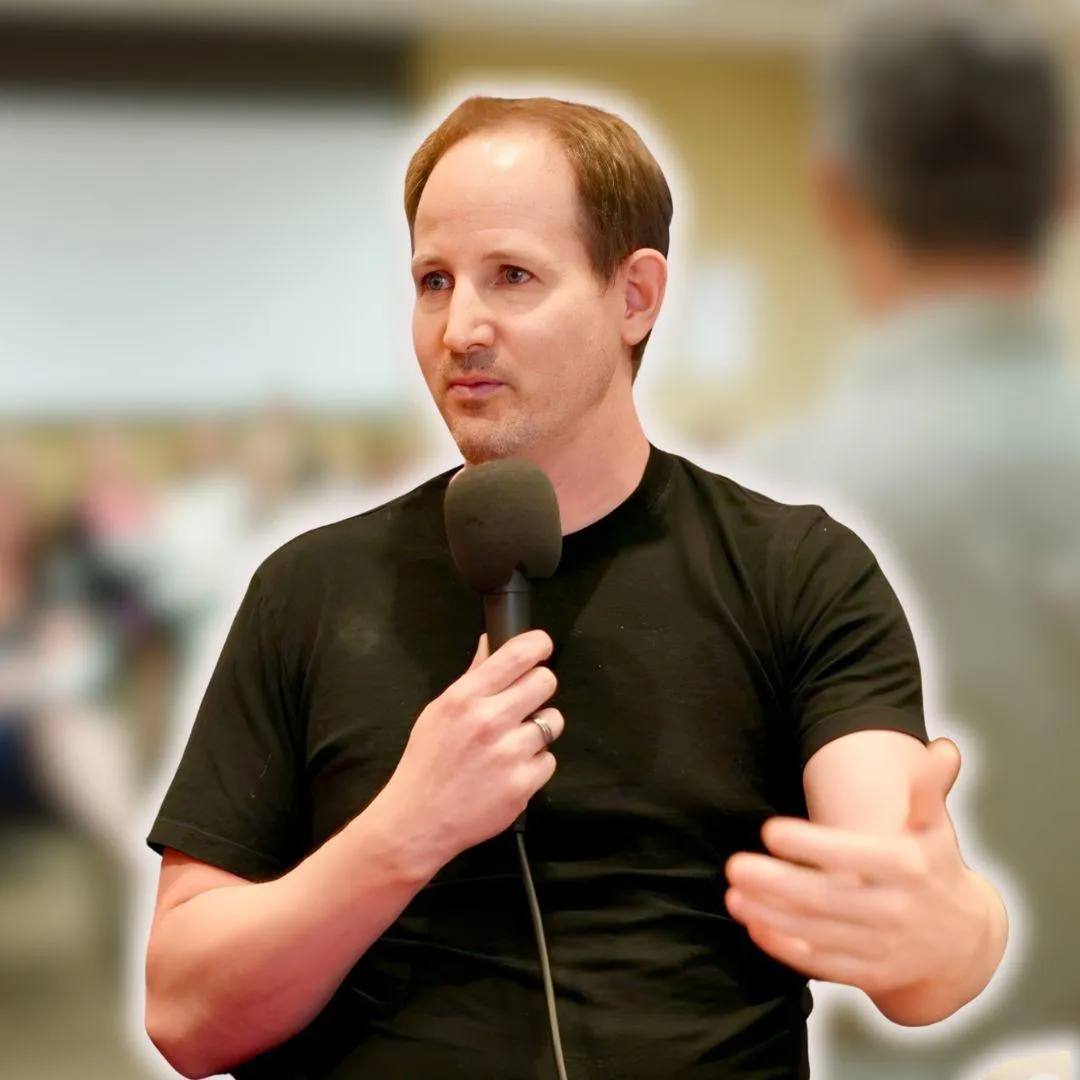
Founder & Lead Mentor
Our Founder
Katya Dmitrieva is a professional coach, educator, and the founder of ILCATE. With over 14 years of experience, she developed the Intuitive Life Coaching Method™—a system that integrates perceptual intelligence with structured, ICF Level 2 Accredited coaching methodology.
She founded ILCATE after identifying a consistent problem: capable people want to become coaches, but lack the training required to perform with clarity, structure, and precision.
Today, she leads one of the few ICF Level 2 Accredited programs with a 100% PCC exam pass rate.

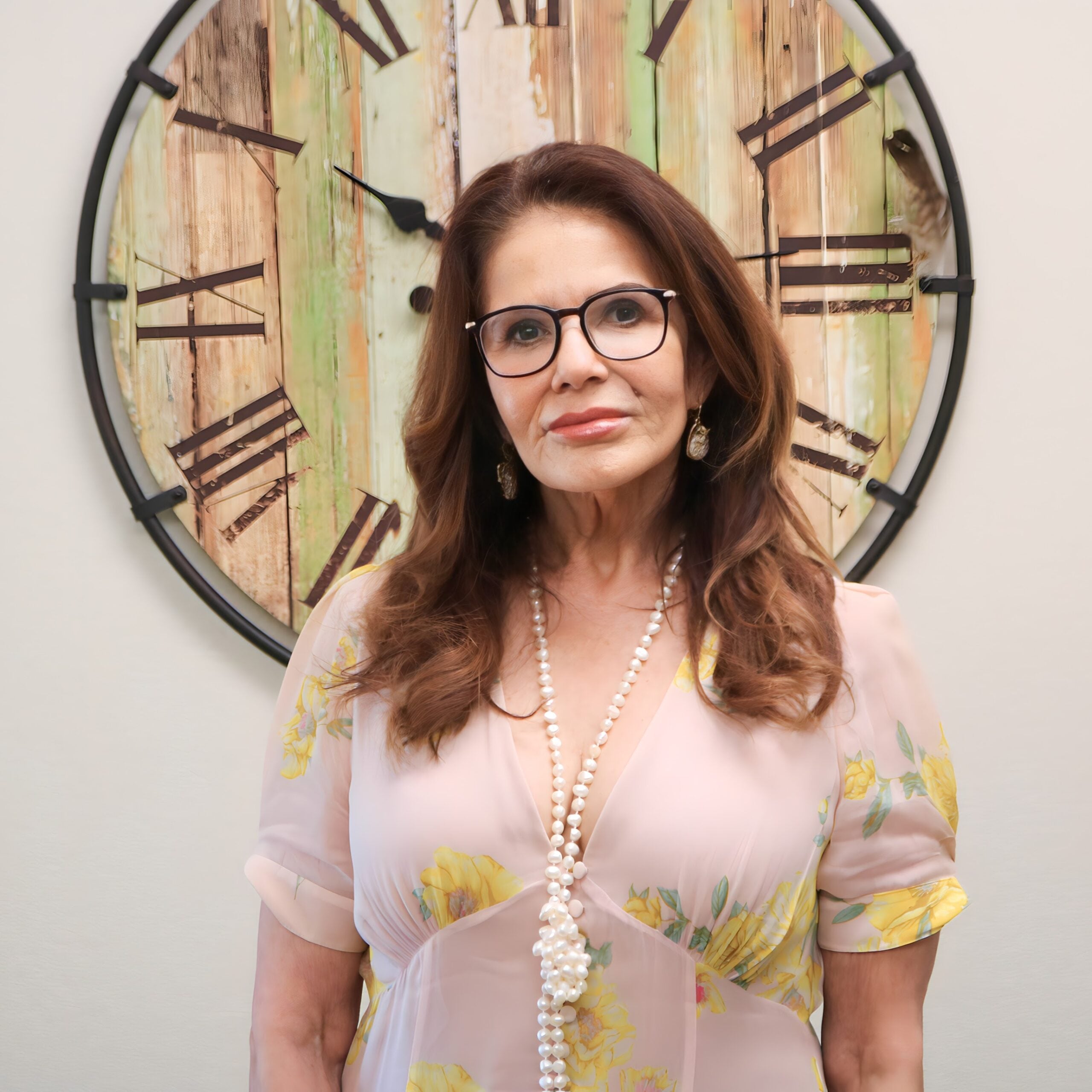
Asiyah H. Abdul-Mu’min
Teacher & Mentor
Asiyah has a background in psychology and holistic health. Her work bridges evidence-informed understanding, emotional awareness, and intuitive development, helping students build coaching practices that are both grounded and deeply human.
Asiyah supports students in strengthening their inner perception, emotional intelligence, and resilience, especially during seasons of transition, identity shift, and personal growth.
How I Support Students
✓
Teaches practical ways to integrate intuition into responsible coaching practice
✓
Supports students in developing emotional intelligence, resilience, and self-awareness
✓
Brings a grounded perspective informed by psychology, holistic health, and lived transformation

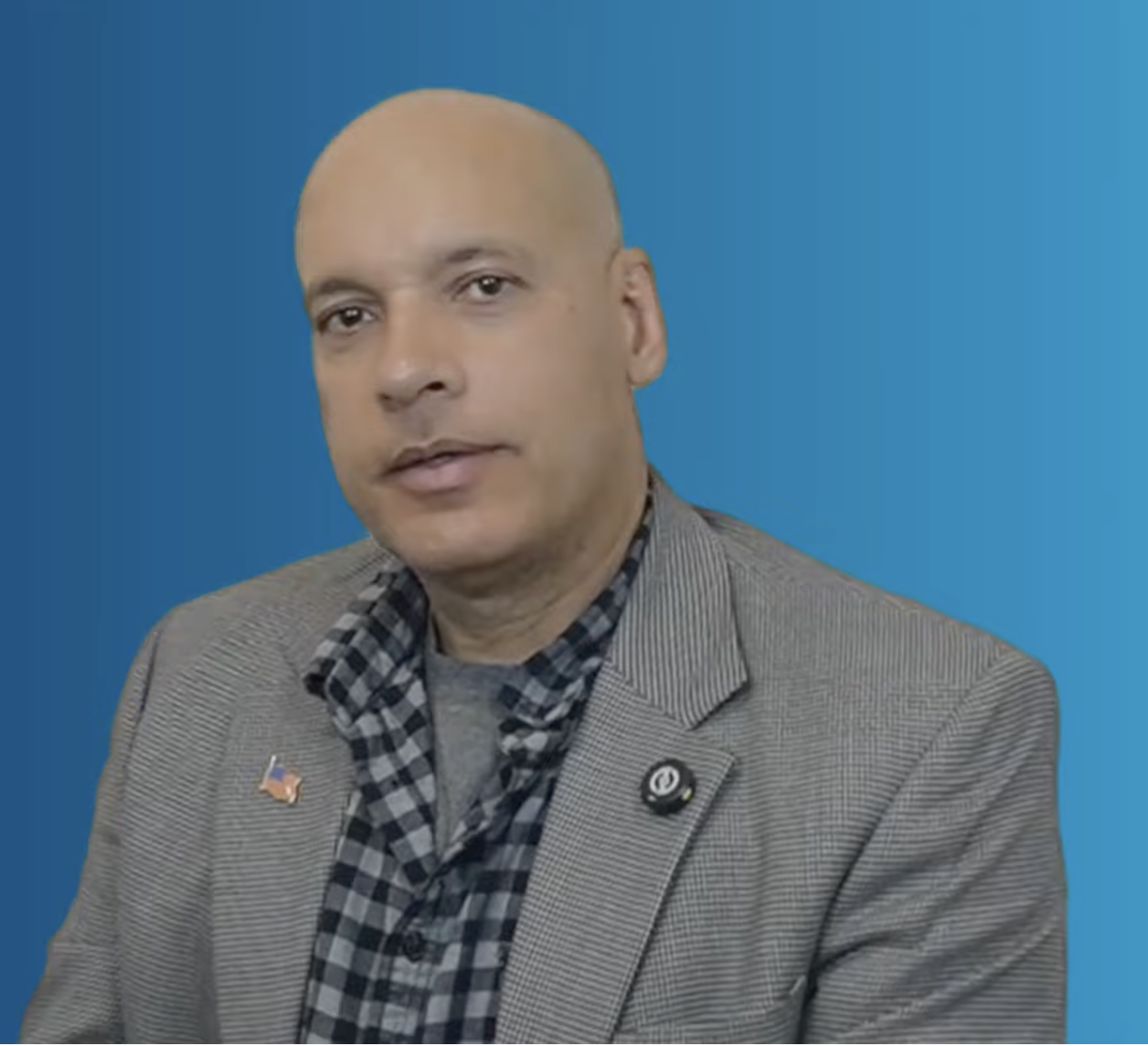
Amanda Butland
Teacher & Mentor
Amanda is dedicated to helping women move from overwhelm into clarity, confidence, and grounded self-trust. Her work blends practical coaching tools with intuitive perception, supporting clients and students in recognizing their strengths, identifying internal patterns, and creating meaningful change with greater balance and direction.
Amanda brings a steady, compassionate presence and a deep commitment to helping developing coaches connect intuition with structure, so their work becomes both heartfelt and professionally grounded.
How I Support Students
✓
Helps students move from uncertainty into greater clarity and confidence
✓
Models the integration of practical coaching structure with intuitive insight
✓
Supports emerging coaches in developing their authentic voice while staying grounded in effective coaching practice

Kimberly Petschen
Teacher & Mentor
Kimberly Petschen has over 35 years of experience leading change in global organizations. Her background bridges corporate leadership, project and change management, integrative coaching, and holistic healing. She brings the ability to connect high-performance leadership with deep inner alignment, helping coaches and leaders understand the human patterns that shape behavior, presence, decision-making, and sustainable impact.
Kimberly is the founder of Absence of War and the healing initiative Presents of Peace™.
Kimberly supports students in cultivating presence, integrating wisdom, and understanding the deeper dynamics of human performance. Her teaching style is practical, interactive, restorative, and rooted in the belief that true leadership and coaching require both professional excellence and inner congruence.
How I Support Students
✓
Bridges professional leadership frameworks with intuitive and holistic development
✓
Creates learning spaces that are practical, reflective, and deeply restorative
✓
Supports coaches and leaders in cultivating authenticity, presence, and sustainable impact

Jacquelyn Haupt
Mentor & Teacher-in-Training
Jacquelyn is devoted to helping individuals live with greater alignment, connection, and vitality. Her work is shaped by training in spiritual psychology, years of inner practice, and a deep commitment to personal and collective transformation.
Jacquelyn supports students in expanding their awareness, deepening trust in their intuition, and developing the confidence to coach from a place of authenticity and grounded presence. Her mentoring style creates space for both inner development and practical integration, helping students embody their work rather than simply understand it.
How I Support Students
✓
Holds space for deep personal and professional transformation
✓
Supports students in expanding awareness and trusting their intuitive perception
✓
Helps emerging coaches embody confidence, authenticity, and alignment in their coaching presence

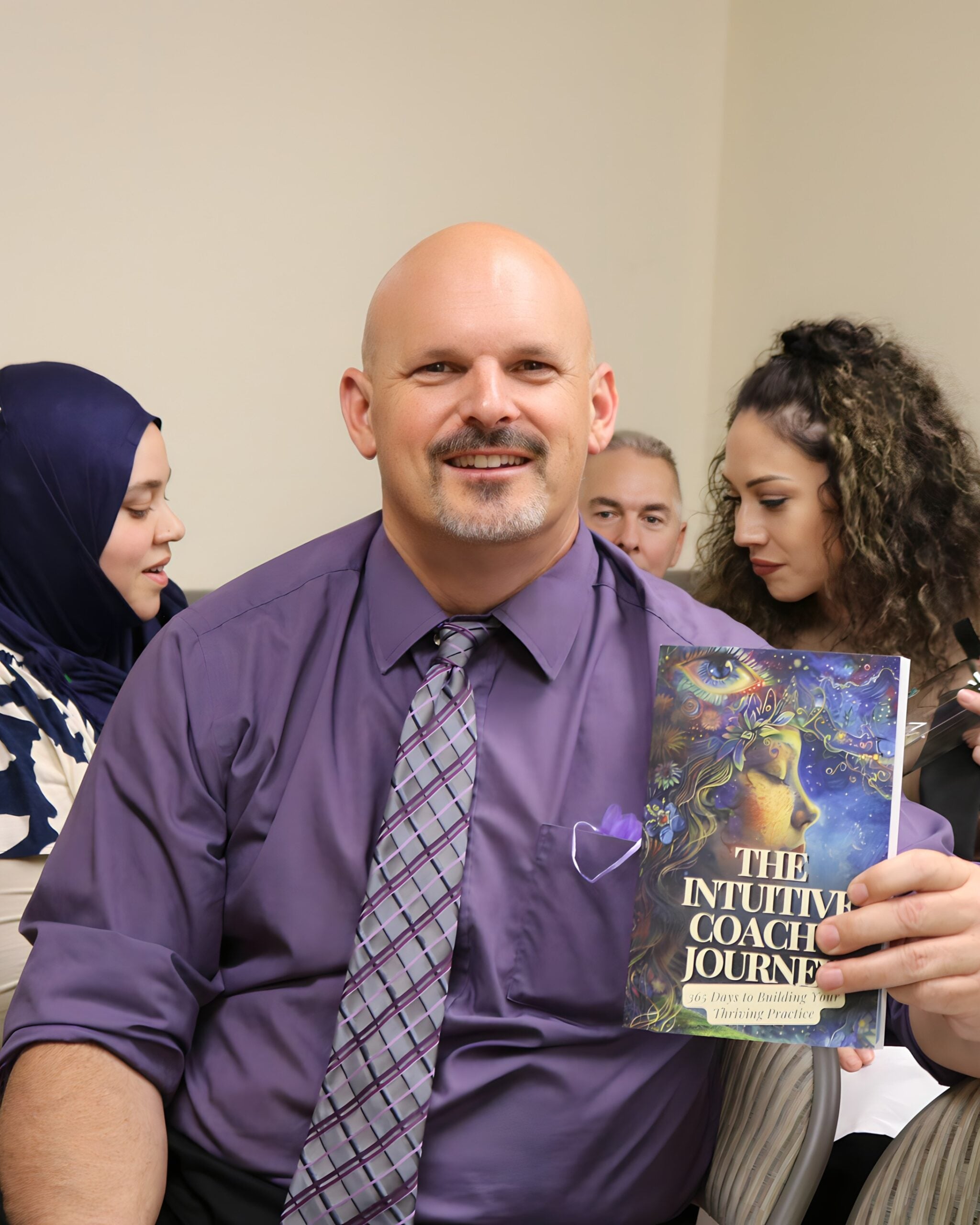
Maritta Carnegie
Teacher & Mentor
Maritta Carnegie is devoted to spiritual wisdom, compassionate presence, and meaningful inner transformation. Her path has been shaped by years of personal exploration, global travel, and study with sacred traditions and teachers whose wisdom has deeply influenced her work.
Maritta brings a grounded, heart-centered presence to the learning environment. She supports students in deepening their self-awareness, strengthening their intuitive perception, and reconnecting with the deeper purpose behind their coaching work.
How I Support Students
✓
Creates a grounded and compassionate space for reflection, learning, and transformation
✓
Supports students in strengthening intuitive awareness with presence and care
✓
Helps emerging coaches reconnect with clarity, purpose, and the deeper service behind their work
Observed Coaching Performance in Practice
How results are produced within a session and what shifts in a conversation
Case Study 01
Moving from Supportive to Precise Intervention
Before Training
Coach maintained strong rapport but asked broad, open-ended questions. Sessions were conversational but lacked direction and measurable movement.
After Training
Coach identified a mismatch between the client’s stated goals and repeated avoidance patterns. They named the discrepancy directly and guided the client to define a specific decision within the session.
Result
Session shifted from exploration to resolution. The client committed to a clear action, and progress was observable within a single conversation.
Case Study 02
Detecting and Working with Inconsistency
Before Training
Coach accepted the client’s statements at face value and followed the narrative without addressing underlying contradictions.
After Training
Coach observed hesitation and lack of specificity when the client described “confidence.” They addressed the inconsistency between language and behavior and redirected the session.
Result
Client recognized an unaddressed concern driving indecision. The session produced a measurable shift in awareness and clarity.
Case Study 03
Maintaining Structure Under Pressure
Before Training
Coach became reactive during emotionally intense moments, losing structure and defaulting to reassurance or advice.
After Training
Coach maintained session structure while allowing emotional depth. They acknowledged the emotion, held the coaching frame, and guided the client back to a clear objective.
Result
Session remained productive despite intensity. The client left with both emotional resolution and a defined next step.